Can PoE power a light?
Yes. PoE delivers up to 15.4W per port on 802.3af and 30W on 802.3at — comfortably enough for LED fittings and floodlights. The switch is the power supply, and each of the PoE lights draws what it needs over its own Cat6 run.
Brisbane · Design + Install · Smart & PoE lighting
PoE lighting (Power over Ethernet) puts your lights on the network — powered, controlled and monitored over the same Cat6 that runs your cameras and Wi-Fi. We design and install PoE lights across Brisbane, from a single smart floodlight to a whole office ceiling.
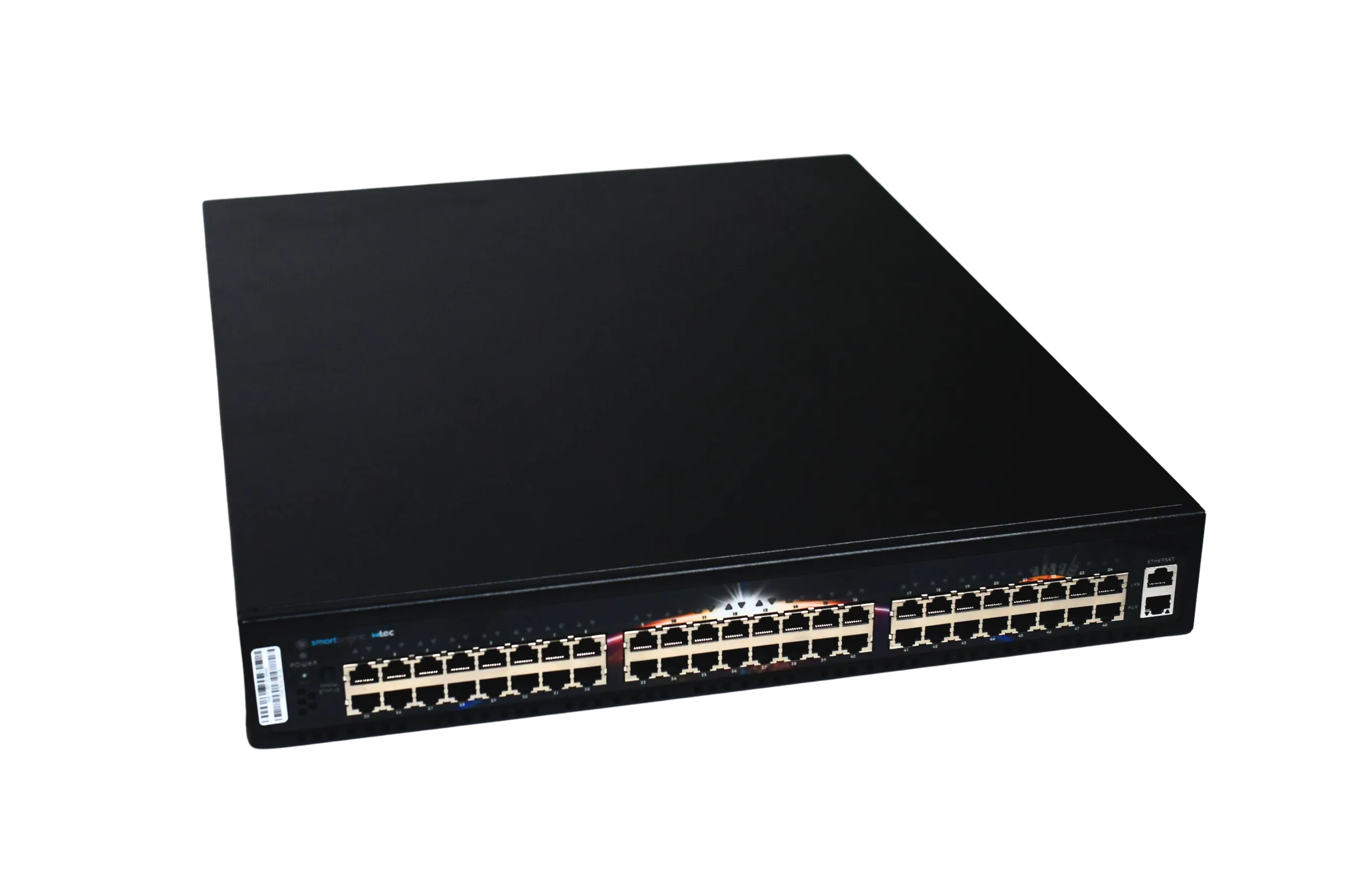 smartengine platform
Whole-ceiling office lighting powered and controlled over network cable, with occupancy and daylight sensors built into the same infrastructure.
Commercial PoE →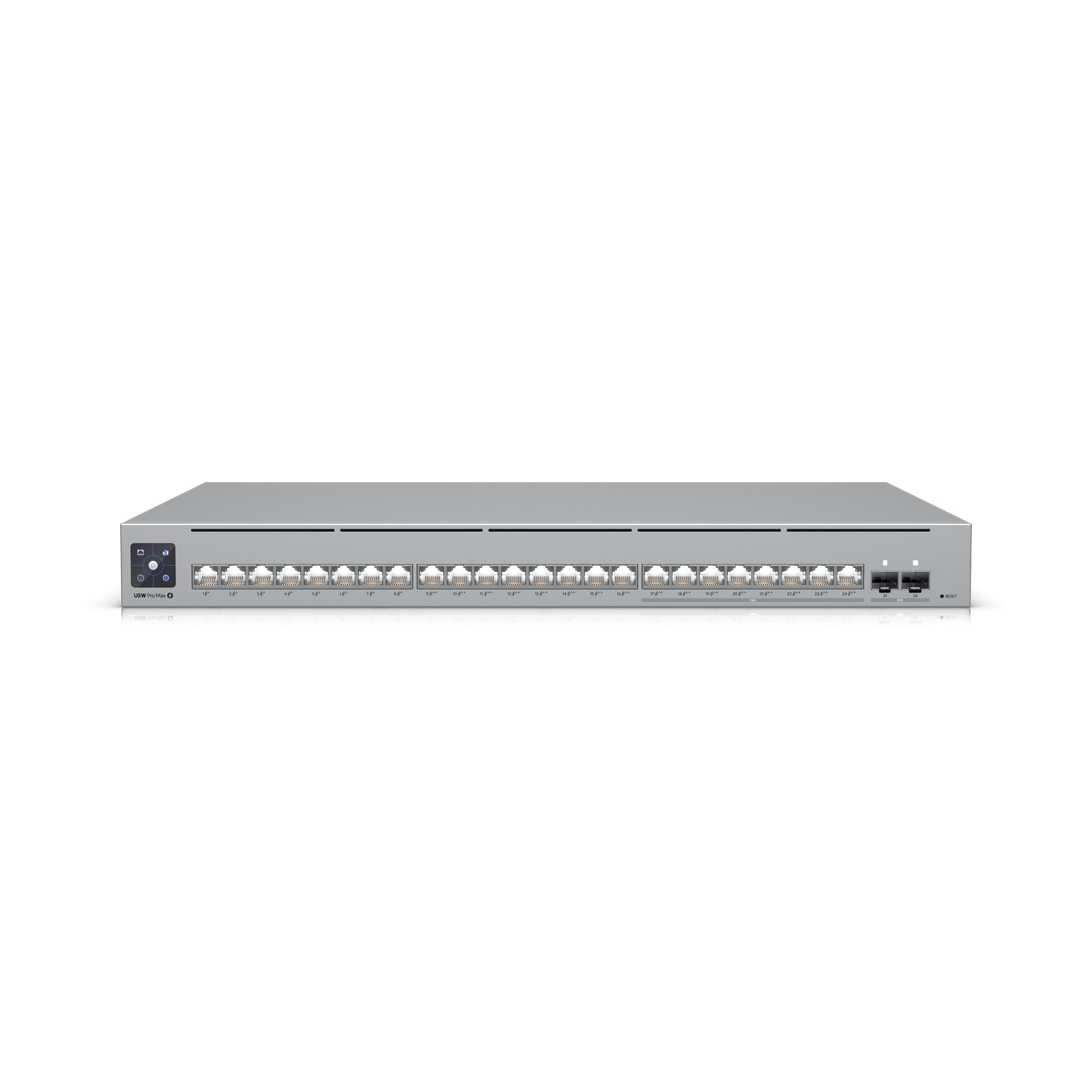 New builds & renos
Smart home lighting over Cat6 — per-light dimming, scenes and schedules for Brisbane new builds, renovations and smart homes.
PoE lights at home →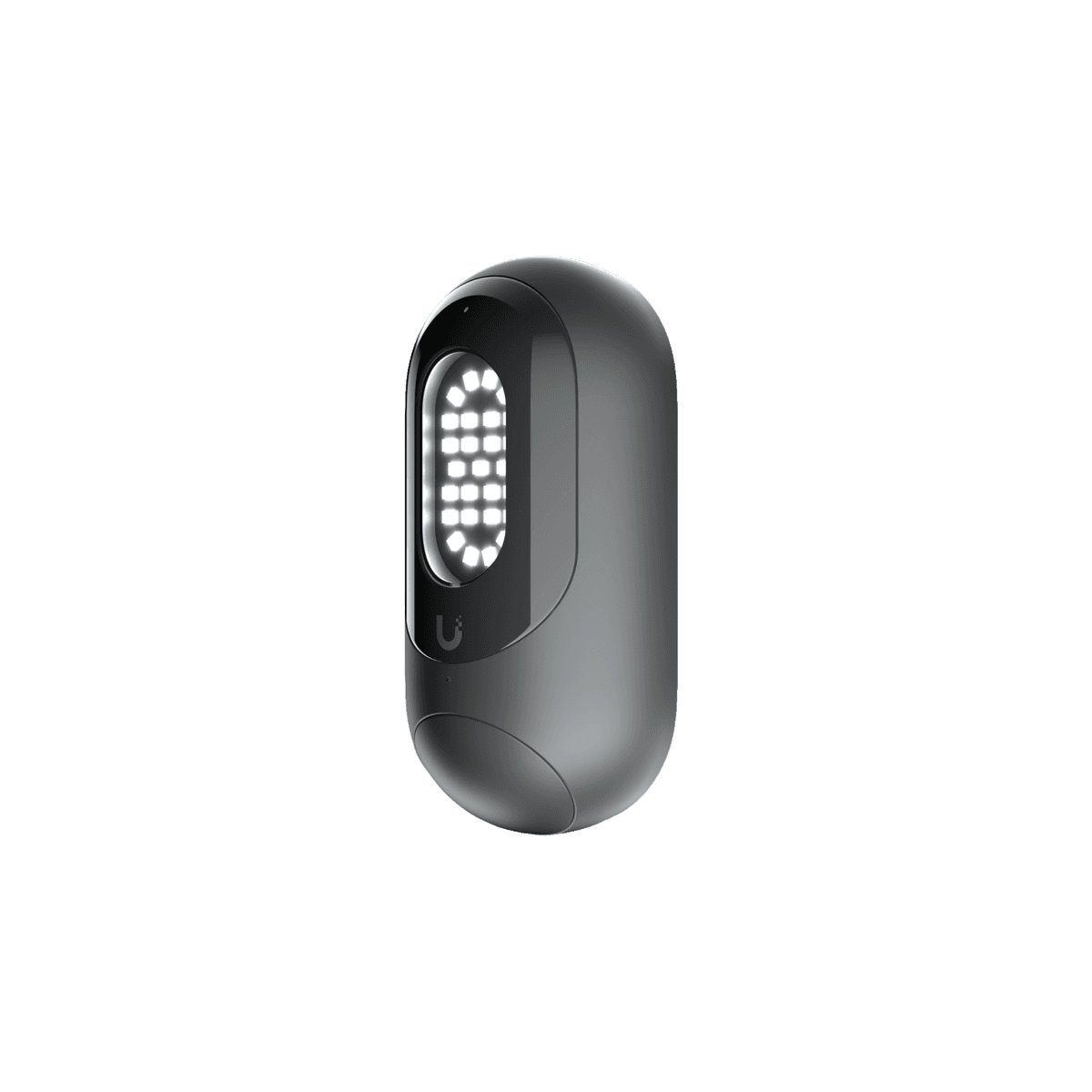 Ubiquiti UniFi Protect
Motion-activated PoE floodlights that work with your UniFi cameras. Light that responds to what the cameras see — homes, sheds, yards and site perimeters.
Security lighting →One cable. Power, control, data. Traditional lighting means 240V circuits to every fitting and an electrician for every change. PoE lighting flips that: each light plugs into a network switch with a standard Cat6 cable, and that one cable carries the power and the control.
It's the same Power over Ethernet standard (IEEE 802.3) that has quietly run phones, cameras and Wi-Fi access points in commercial buildings for twenty years — now pointed at the lights.
Yes. PoE delivers up to 15.4W per port on 802.3af and 30W on 802.3at — comfortably enough for LED fittings and floodlights. The switch is the power supply, and each of the PoE lights draws what it needs over its own Cat6 run.
For LED it's a natural fit. LEDs are low-voltage devices anyway, so feeding them from a network switch skips conversion hardware — and you get per-light dimming, scheduling and monitoring that conventional wiring can't do without extra kit.
Honest ones: the switch becomes critical infrastructure (put it on a UPS), very high-output fittings can exceed a port's power budget, and statutory emergency lighting still needs its own compliant system. We design around all three.
| PoE lighting | Traditional lighting | |
|---|---|---|
| Cabling to each light | One Cat6 run — extra-low voltage | 240V circuit + separate control wiring |
| Dimming & control | Per light, in software — scenes, schedules, app | Per circuit, via wall dimmer hardware |
| Changing the layout | Patch leads and settings | Electrician and rewiring |
| Energy visibility | Measured per light, in real time | Whatever the power bill says |
| Blackout backup | One UPS on the switch covers chosen lights | Not practical per fitting |
| Best time to install | New build, fitout or reno — with data cabling | Any time, at electrician rates |
Neither wins everywhere — high-draw and statutory emergency fittings stay conventional, and we design mixed installs all the time. The site walk sorts out which lights belong on the network.
We walk the space, work out what needs light and where the cable runs go, and check the switch and PoE capacity. You get a fixed written quote — no obligation.
Cat6 runs to every position, fittings mounted, everything labelled at both ends. Tidy work, minimal disruption.
Devices adopted, rules and schedules set, and you get the app, the documentation and a walkthrough before we leave.
The fittings and their cabling are extra-low voltage — they're fed over Cat6 from the PoE switch, and the switch plugs into a normal power outlet. Where existing 240V fittings need to be disconnected or removed, a licensed electrician handles that part and we coordinate it as one job.
Same as any other lighting — no power, no light. Because the switch is the power source, a compact UPS on the switch can keep selected lights running through short outages. Statutory emergency and exit lighting remains its own compliant system, as it does with any fitout.
Power over Ethernet is an IEEE standard (802.3) that has powered phones, cameras and access points in commercial buildings for two decades. The lighting side rides on that same standard.
Yes — that's the sweet spot for the security lighting side. Floodlights join the same UniFi Protect system as your cameras and are managed from the same place.
Depends on the fitting count and cable runs, so we don't publish a one-size price. The site walk and written quote are free, and the quote is fixed.
There's no meaningful per-square-metre number — it's driven by how many lights go on the network, the cable runs, and whether a switch upgrade is needed. What we can promise: the site walk and written quote are free, the quote is fixed, and if PoE isn't the right answer for your space we'll say so.
Often, yes — it comes down to ceiling access for the Cat6 runs. Offices with suspended ceilings and homes with accessible roof space are realistic retrofits; closed cavities usually mean waiting for a renovation or fitout. Send photos with your enquiry and we'll tell you straight.
Brisbane and surrounds is home turf — CBD to the bayside, north and south. For larger commercial jobs further afield, ask — it depends on the project.
Tell us about the space — suburb, what you're lighting, security or office. We'll come back with next steps, usually same business day.
Faster to talk? 07 3523 3847